top of page


A Tree of Hope
Fergus's Tree of Hope is grown from the felled Sycamore Gap Tree. It was kindly gifted to us by The National Trust to plant in memory of our son, Fergus.
Each year in the UK, many hundreds of families like ours are affected by childhood cancer . This tree is for every one of these families now and in the future.
It is not only a wonderful, living and lasting legacy, it's an opportunity for all of us to learn and be inspired.

Fergus
Backwell Playing Fields, where this tree is planted, was the backdrop to Fergus's life. It is where he played tennis, cycled, scooted to school, jogged, and met up with friends.
Fergus was an enthusiast. He loved dancing, sports, and even school work, always believing that if he was going to do something, it was worth doing it well. And so he did.
When Fergus became unwell, he faced it all with optimism, good humour and a wisdom that belied his age. He is loved beyond measure and his memory remains our inspiration.
Listen to Fergus tell his story
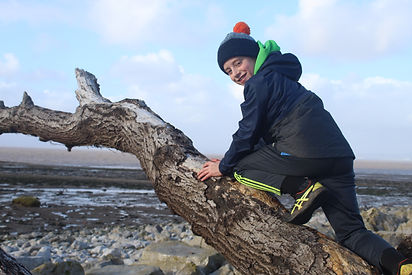
Fergus
Fergus was diagnosed with Osteosarcoma in January 2021.
Listen to him talking about his diagnosis.
Listen
we all need to talk about childhood cancer
It's hard. We know. But childhood cancer is real and not talking about it doesn't help our precious children.
Children's cancers are different from adult cancers. What's more, there are no known means of prevention, no screening programmes, no celebrities raising awareness, none of the mass education campaigns that we're all familiar with.
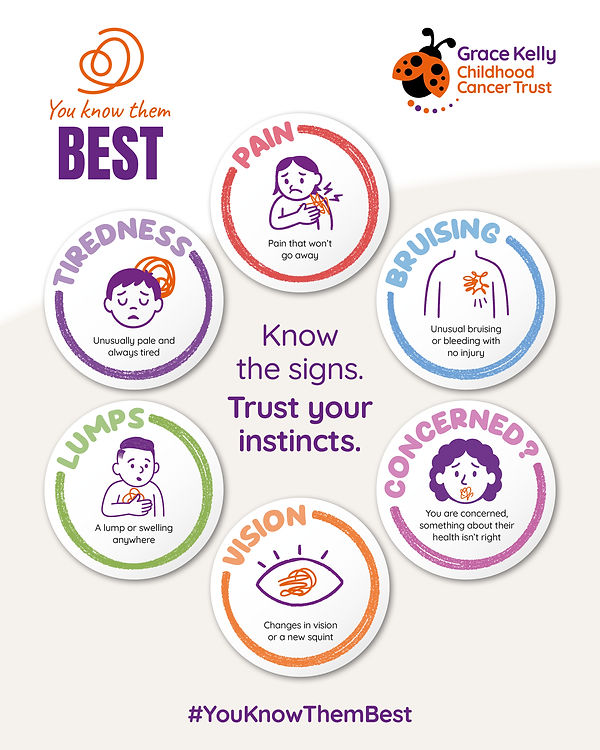
Early diagnosis relies on awareness and parental instinct.
This matters, because earlier diagnosis can mean not only better outcomes, but also reduced treatment intensity or surgery, and fewer long-term toxicities meaning better health into adulthood.
That's why we'd like to encourage you now to take a few minutes to learn the signs to look out for. Please share as widely as you can.
The video was made by The Grace Kelly Childhood Cancer Trust.

Watch
what you can do
(be awesome)

Be Awesome
Be inspired!
We hope that you'll remember Fergus, his story and the Tree of Hope...
Connect

Connect
If you have been inspired by Fergus's story, or have your own story to share, please drop us a line. We'd love to hear from you.
Thank You
With thanks to
Backwell Playing Fields Charity
The National Trust
Sheen's Botanicals
Grace Kelly Childhood Cancer Trust
Fergus, forever our inspiration.
"Do not get too saddened by the bad things, and be grateful for the good. No good or bad thing lasts forever."
Fergus Hamilton Yard
2nd June 2009 - 22nd May 2022
& with all our love forever, Mum & Dad x
bottom of page